The events in this blog happened between 2-3 weeks ago.
After a less than medium quality night’s sleep in the tent, due to stormy weather and a big party with loud music until, well, who knows when… we woke up, ate porridge, and packed the tent, before the next bit of the storm arrived. Our goal on this day was to leave the shores of Lake Konstance and climb the continental divide via the Black Forest – leaving behind the Rhine and reaching the Danube.
And climb we did – slowing and surely, through wind and rain, with very little views up the hill. Probably took us about 2 hours of cycling to get to the top. Disappointingly, the restaurant at the top was closed – it was Sunday after all, but this meant that our mental reward of coffee and cake was dashed. The fact that ‘the top’ was in winter months a ski station (albeit small) did at least give status to our achievement in reaching it.
We put on all of our layers to cycle down the hill (very steep, very wet! Poor brakes!) and reached Tuttligen early afternoon. When we reached the town, we decided then, that we’d had enough cycling in the rain and cold, and booked a hotel for that night. While waiting to check in we (finally!) found a cafe that was open and serving cake and black tea! Bliss.
The Danube here in Tuttlingen was just a little stream. We could see some fish in it and other familiar river creatures – ducks, herons and dipper birds. But it wasn’t that much to look at. However, the next day we followed the Danube through some beautiful limestone gorges, and that was really good fun. It often felt as though we were saying ‘wow’ every corner we went around. While the path was good, and the weather poor, we cycled hard and fast with a french cyclist who was on his way (maybe) to Odessa in Ukraine. He was from Brittany and was essentially doing the same distance that we’d set ourselves, only he was aiming to do it with just 30 days! (We’re planning on taking more than twice that time). It’s fun keeping pace with other cyclists, many are surprised by our strength and pace. This cyclist took our picture on the bike as we parted, admiring how strong we were – we decided that we couldn’t keep up with him on the gravel slightly uphill path.
It didn’t take long – maybe only a day for the Danube to turn from a mountain river to a big river.
We enjoyed cycling in Baden-Württemberg, one of the regions in Germany that is governed by Greens, there was a designated cycle paths most of the time – often quieter roads through maize fields along the river, but also next to big roads. Then we entered Bavaria, home to Audi, BMW and Mercedes and the cycling infrastructure was poor. Most of the time we were on roads rather than paths. This experience wasn’t helped by a huge flood prevention project, that involved fortifying the embankment which is generally where we’ve been cycling. This meant that we were re-routed numerous times and the signs were good for the first 3 and then tended to disappear- leaving us guessing where to go. We missed the last ferry across the river, by 8 minutes, due to one such diversion. This added a further 10km onto our already long day. Despite these challenges, we still managed to do 167km in one day! My first 100miles cycling in one day, ever!
I feel as though I’m seriously lacking in my understanding of history of Central Europe & my week of cycling through Germany has told me that the 30 years war seem pretty pivotal to how some of Central Europe looks today. Why? Well, most towns/villages/ or places of interest that we stopped at all had a relatively similar Wikipedia entry. It went something like this:
“Signs of habitation of been discovered from ancient times including Celts and then Romans. After Roman Empire, there was then the Holy Roman Empire (my school brain remembers that Charlemagne was a part of this) and this town/village was ruled by some lord in some feudal system. This went on for some hundreds years until the 30-years war in 1618-1648, and the feudal lord was replace with the other on which ever side of the war won that battle. This arrangement lasted until Napoleon showed up in 1800s something, and rulers switched again. And then WW1 happened.” Maybe I’ve already got the gist of this history, but looking for good book/podcast recommendations to expand my knowledge.
One thing that marks out Germany as being different from UK or France, is it lack of memorials to soldiers and civilians killed in WW1 & 2 in town squares. Obviously, it’s a tricky history to memorialise, and rightfully, many (but not all) people murdered in the Holocaust do have memorials, but I think it’s important to remember that like UK, France, and others, German villages and towns were equally emptied of their men (& women), never returning.
We saw two memorials to each war in Ulm Cathedral. The one for WW1, a statue of an angel with a sword, and is hugely controversial because when it was commissioned the church committee thought that it exhibited pride rather than peacefulness and there was not a consensus in the committee that the statue was appropriate to be placed in the church. In the 1930s, when the local Nazi party was governing, the statue was placed in the church. The statue remains, even though lots of people think it should be removed, as part of the church’s history. There was a very good information board explaining all this. The second memorial about WW2 is a simple stone calling for reflection.
War memorials aside, Ulm Cathedral is very impressive, and worth a visit. We spent a rest day in Ulm, the morning we slept in, ate, visited the Cathedral and other sites in the city centre, and then the afternoon we spent with my cousin and her family, which was a lot of fun. Robin and I commented that we should have seen Ann earlier because the day after we saw her the weather changed to hot and sunny 🙂
Camping in Germany was different from France – one of the things I didn’t like at all, was you had to pay 50Cents to get hot water in the shower! I thought my 50Cent would get me a whole hot shower, but instead it only bought me a few minutes, I was half way washing my hair when the water turned cold (and this was before the hot weather). But one of the gems of camping was canoe clubs – often in the middle of cities, some canoeing clubs open their grounds for campers. For 9 euros a night, we could set up our tent and have access to the club’s bathrooms, showers, & kitchen facilities. We did this in Ulm and Regensburg, which was a great experience.
Another highlight from our time in Germany was visiting a monastery that’s been making been for over 1,000 years – it claims to have the oldest running brewery or something like that. Robin and I both thought the beer was alright, but lacked depth for being a 1,000 year old recipe, but it was refreshing and that was great. The other thing about this monastery was its location – at the top of a big gorge, which meant that we took a ferry a few kilometres down river. Really beautiful views.

us on the climb with no view whatsoever of what’s around.
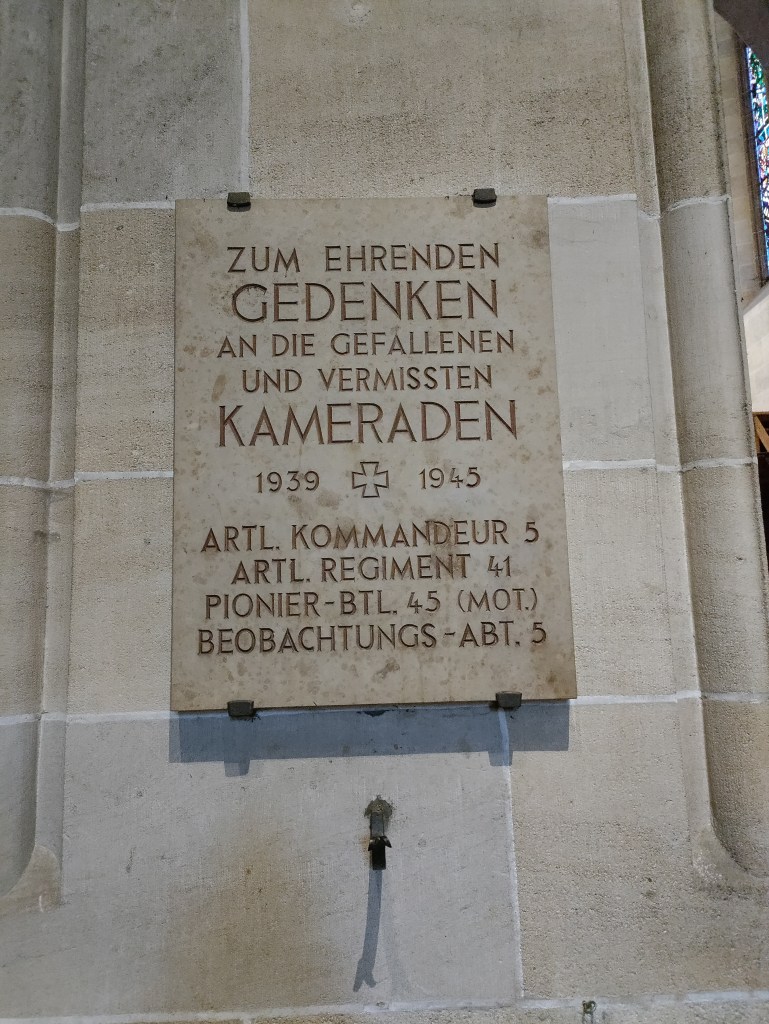
ww2 memorial in Ulm Cathedral
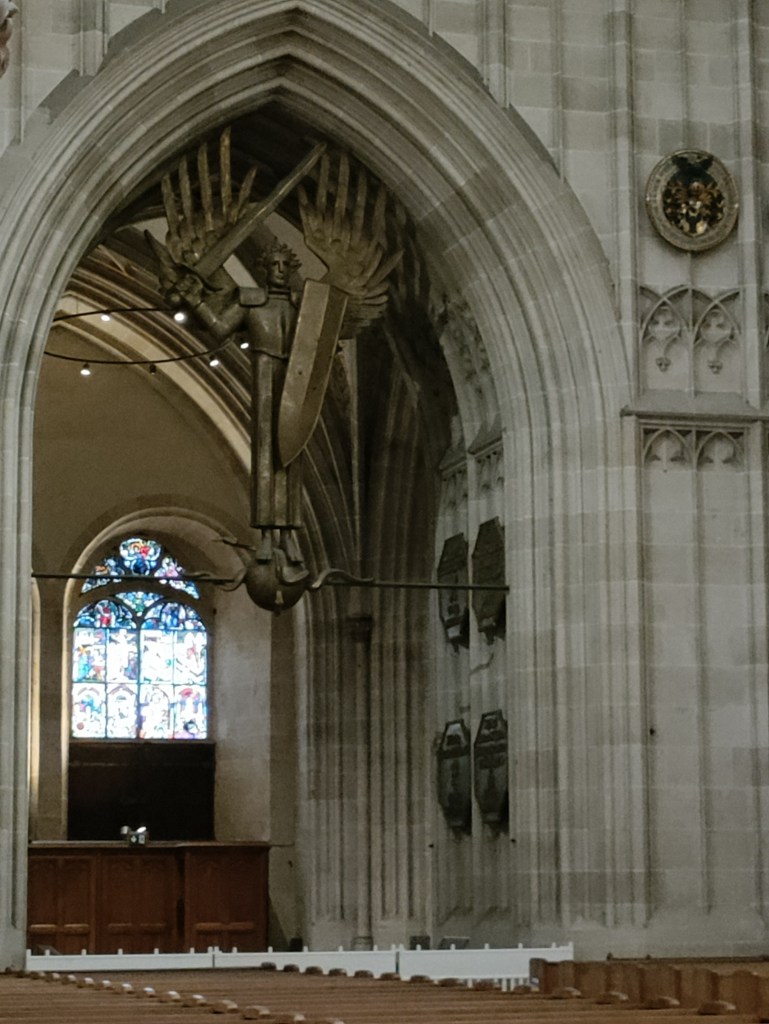
WW1 controversial memorial

danube as a mountain river and corresponding limestone cliffs
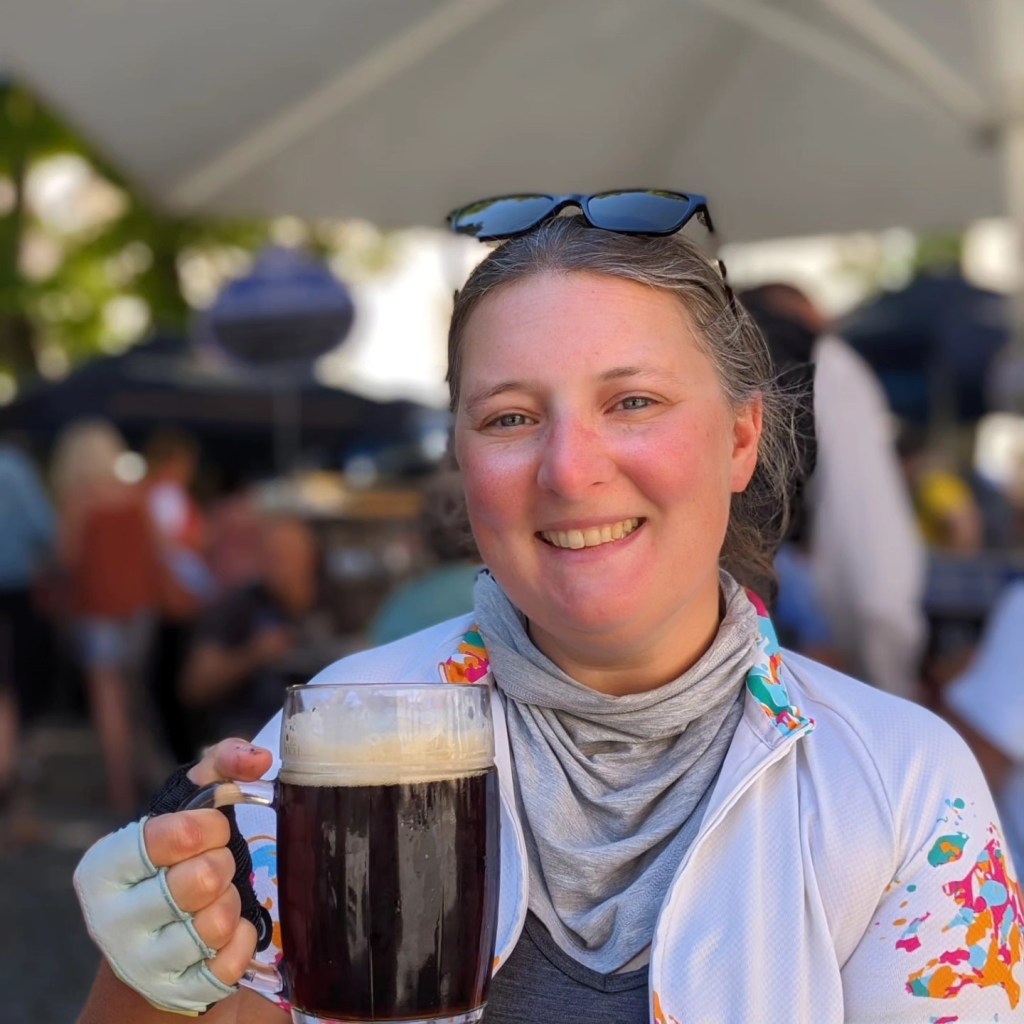
refreshing beer at monastery
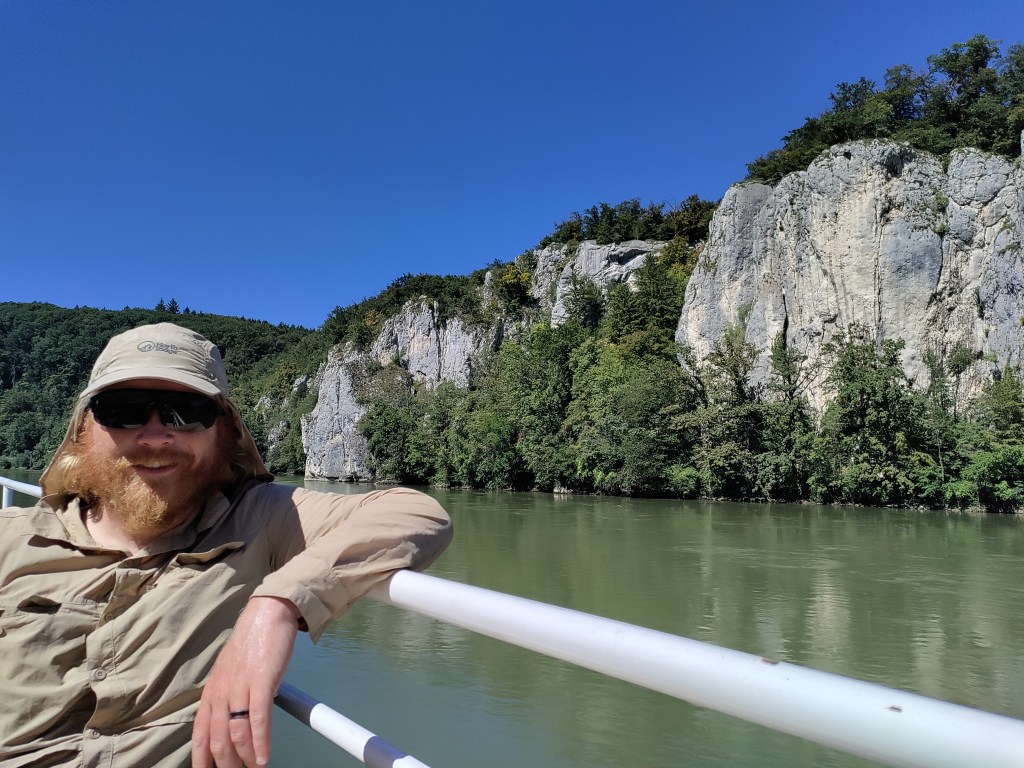
on the ferry with gorge behind Robin


 Megan's blog